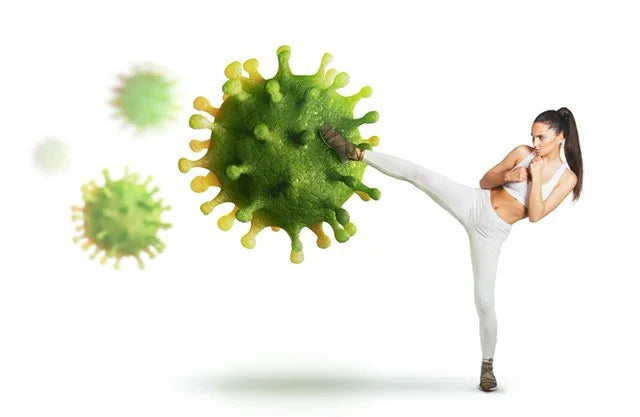
Do You Have Allergies? Or Could It Be Something Else?
Everyone you talk to seems to have allergies, or knows someone who does.
Allergies occur when the immune system overreacts to a harmless substance — such as dust, mould, or pollen — by producing antibodies that attach to the allergen. This can cause wheezing, itching, a runny nose, watery or itchy eyes, and other serious symptoms. Inflammation linked to allergies can also cause lingering symptoms that affect the entire body, including fatigue, joint pain, and fever.
But there is more to this picture than just allergies. We need to look deeper — at why we have these allergies and whether something else is going on.
What Is Really Going On? Mast Cell Activation Syndrome (MCAS)
I’m writing this post because I have been dealing with allergies for many years. After extensive research, I discovered a condition that explains why so many people are struggling: Mast Cell Activation Syndrome (MCAS), also known as Leaky Mast Cell Syndrome — where mast cells produce too much histamine, leading to histamine intolerance.
Mast cells are white blood cells responsible for releasing histamine. This is a normal and necessary function — but if your body can’t break down histamine properly, or produces more than it needs, you end up with MCAS.
This condition can affect people their whole life. Because the symptoms are so varied and unusual, it is often very difficult to pinpoint what is really wrong. As a naturopath, when I see clients with multiple food intolerances, I immediately look to the gut. Just as we can have leaky gut, we can have leaky mast cells — and both can be healed.
The Many Roles of Histamine in the Body
Histamine receptors are found throughout the body, which is why histamine intolerance can cause such a wide range of symptoms:
- Vasodilator — histamine dilates blood vessels.
- Digestive function — it controls the production of hydrochloric acid, which breaks down food.
- Neurotransmitter — it sends messages throughout the brain relating to sleep, appetite, and behaviour.
- Widespread presence — histamine receptors are also found in the colon, liver, lungs, small intestine, spleen, testes, thymus, tonsils, and trachea.
Histamine is broken down by two key enzymes: Diamine Oxidase (DAO) and Histamine N-Methyltransferase (HNMT). DAO works primarily in the digestive system and plays a major role in balancing histamine levels. HNMT works in the spine, kidneys, liver, lungs, and other areas, mopping up excess histamine between cells.
When these enzymes are absent or impaired — due to a metabolic issue or nutrient deficiency — histamine builds up, leading to histamine intolerance and a cascade of symptoms.
Symptoms of Histamine Intolerance
The symptoms are similar to seasonal allergies but can be far more severe. They include:
- Itchy skin, eyes, ears, and nose
- Eczema or other types of dermatitis
- Red eyes and hives
- Facial or tissue swelling
- Tightness in the throat
- Difficulty regulating body temperature
- A drop in blood pressure when standing up quickly
- Vertigo or dizziness
- Low blood pressure
- Fast heart rate or heart palpitations
- Difficulty falling asleep
- Confusion, irritability, anxiety, or panic attacks
- Seasonal allergies, runny nose, and congestion
- Acid reflux, nausea, vomiting, or other digestive issues
- Abnormal menstrual cycle
Risk Factors for Histamine Intolerance
You may be more likely to develop histamine intolerance if you experience chronic stress, sleep disturbances, anxiety, or thyroid dysfunction. High stress levels significantly increase histamine production in the body, so reducing stress is an important part of treatment.
Hormonal imbalances — particularly oestrogen dominance — can also lead to histamine intolerance. Oestrogen interferes with how DAO and monoamine oxidase (MAO) function, both of which are critical for breaking down histamine. This explains why many women experience histamine-related symptoms in the lead-up to ovulation.
The Most Common Causes of Histamine Intolerance
- Mast Cell Activation Syndrome (MCAS)
- Gluten intolerance
- Leaky gut
- Gut infections
- Inflammatory digestive diseases
- Nutrient deficiencies
- Genetic mutations
- Certain medications
Gluten intolerance is a significant contributor — gluten is highly inflammatory and triggers the release of a protein called zonulin, which opens the tight junctions in the gut lining, causing leaky gut syndrome. To test whether gluten is affecting you, remove it completely from your diet for two weeks, then reintroduce a simple wheat-based food (such as plain pasta — not bread, which contains yeast and would skew the result).
Leaky gut can be caused by food sensitivities, bacterial, viral, or parasitic infections, or overuse of antibiotics and anti-inflammatory drugs.
Gut infections such as Helicobacter pylori or SIBO (Small Intestinal Bacterial Overgrowth), as well as inflammatory digestive diseases like Ulcerative Colitis or Crohn’s Disease, can also be underlying causes of histamine intolerance.
How to Heal the Body
The first step is to find a Doctor of Naturopathy to help you get tested and understand what you are dealing with. If you are struggling to find one and want to start on your own, that is okay too.
Have a look at the symptoms listed above and check them against what you are experiencing — do you have some of them, or all of them? This will give you an indication of how significant your histamine intolerance may be.
Remove high-histamine and inflammatory foods for 1–3 months. I will be adding a Food Diary for you to download — this is very important and will make the diet easier to follow. It will help you identify which foods are triggering your symptoms. Keep in mind that reactions to triggering foods are not always immediate — they can build up over time, which is why the diary is so important.
These are the foods you can eat, the foods you can’t, and the maybe list:
YES Foods
Protein: Beef, chicken, lamb, duck, eggs, pork, seafood, turkey
Fruit: Apricots, blueberries, cherries, grapes, melon, exotic fruit, pears, apples
Vegetables: Potato, carrots, cabbage, cauliflower, broccoli, leeks, celery, cucumber, garlic, green beans, kale, lettuce, parsnip, sweet potato, turnip, watercress, zucchini
Flours: Arrowroot, cassava, tapioca, coconut flour
Fats: Extra virgin olive oil, ghee, grass-fed butter, coconut oil
Sweeteners: Blackstrap molasses, honey, maple syrup, coconut sugar
Others: Celtic/Himalayan salt, leafy herbs, white tea and herbal teas
MAYBE Foods (Eat Moderately)
Fruit: Raspberries, kiwi, lemon, mango, nectarines, papaya, peach, plum
Vegetables: Mushrooms, peas, pumpkin, squash
Nuts: Soaked almonds, pecans, pistachios, soaked brazil nuts, pine nuts
Seeds & Seed Butters: Flax, sesame, sunflower, pumpkin
Flours: Almond flour
Other: Apple cider vinegar, coconut milk, coconut butter, shredded coconut, dried herbs/spices, white vinegar, yeast
NO Foods (Do Not Eat)
Protein: Must be fresh from the YES list — no leftovers or processed meats
Vegetables: Eggplant, spinach
Fruit: Avocado, citrus, dried fruit (apricots, dates, raisins), strawberries, tomato, banana
Additional foods: Alcohol (especially red wine), chocolate, cinnamon, dairy, fermented foods, gluten, grains, peanuts, soy
Vinegars: All vinegars except gluten-free apple cider vinegar
Spices: Nutmeg, anise, cinnamon, cloves, curry powder, paprika/cayenne
Nuts: Walnuts, cashews
Note: Although not all of these foods are high in histamine, they are inflammatory and can worsen symptoms.
During the first phase of the diet, eat only from the YES foods and occasionally include MAYBE foods. Aim to follow this strictly for one month, then move into the second phase — maintaining the diet you have formed and continuing to fill out your food journal.
By Stage 3, you should be noticing a real difference. If you can see a doctor or naturopath to support you through this stage, it will make a significant difference. Supporting the liver and healing the gut will reduce symptoms considerably.
I know this diet seems hard, and I know many of your favourite foods have been taken away — but you will feel the difference, and it is not forever. I am on this diet myself, and while it can be challenging, you will get through it — especially once you start to feel better.
If you need any support, please contact me via my website, email, or phone. If you would like supplement recommendations for gut healing, or some recipe ideas, please reach out.
Good luck!
Ready for personalised support?
Book a personalised consultation with Lee to discuss your health goals and find the right next step.