Hydration
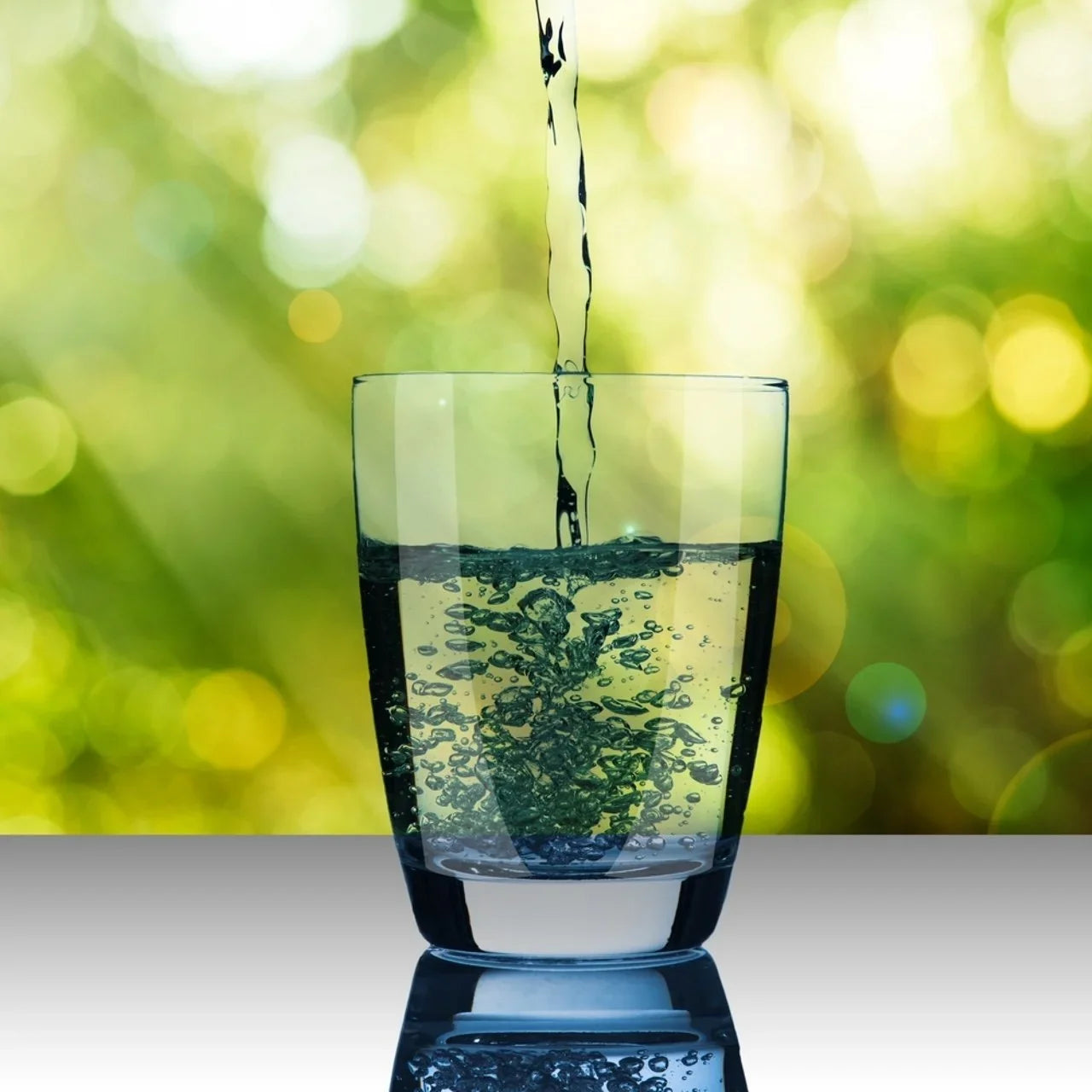
How important is hydration? We know we need water to live. Your body loses water every day and it must be replaced. If you don’t replace the water as you lose it, this can cause serious problems.

Drinking too little or too much can hurt your body. You want to drink a balanced amount of water, replacing it as your body loses it.
Your body needs water to make blood. If your body is low on water it can lower your blood volume, making it harder for the heart to pump and forcing your brain to ration the available blood to your different organs.
Drinking water helps every organ in your body — including your heart, brain, lungs, liver, kidneys, digestive system, muscles, joints, eyes, and ears.
The Beauty Benefits
Drinking water also helps your skin fight wrinkles, keeps your hair thick and beautiful, helps prevent cavities, and supports better breath.
The Best Way for Your Body to Receive Water
Your body loses water throughout the day and you want to replace it as you lose it. The easiest way is to drink water three times a day — morning, noon, and night, or at breakfast, lunch, and dinner.
Everyone is different depending on their body and health conditions. You may need to speak to your doctor if you are unsure of the right amount for you.
On average, your body loses approximately 8 cups of water a day. It may seem like a lot, but when you consider that everything that leaves your body contains fluid, it makes sense:
- 1 cup through breathing
- 2 cups through sweating
- 5 cups through urination and bowel movements
Your body is an amazing machine and every fluid in your body is made with water. Low fluid levels will damage major organs.
How Your Organs Use Water
- Lungs — water helps the mucous and cilia clearance system remove virus particles (including Covid-19) from the nose, throat, and lungs before they can multiply.
- Heart — water helps reduce high blood pressure and blood clots, and lowers the risk of heart disease.
- Brain — water helps reduce stress, anxiety, and low energy, helping you feel happier and more energised.
- Digestive System — water helps you digest food, avoid acid reflux, and heal your digestive system.
- Kidneys and Liver — water helps your liver and kidneys process and remove toxins and waste.
- Muscles and Joints — water helps reduce joint friction and pain, and makes muscles stronger and more resilient.
- Eyes, Ears, and Hair — water helps reduce dry eyes, supports hearing balance, and helps the follicles of your hair receive nutrients.
- Lymphatic System — drinking water supports your lymphatic system. If you are dehydrated, your body isn’t producing enough lymph fluid, which impacts your immune function. The lymphatic system creates and releases white blood cells and other immune cells that fight bacteria, viruses, and parasites.
Especially with the ongoing presence of Covid-19, we need our immune system working at its highest level — and staying hydrated is one of the simplest ways to support it.
Hydration and Exercise
There are many ways to increase your water intake, especially when you exercise. Drink water half an hour before exercise, every 20 minutes during exercise, and half an hour after as well.
You lose more water when exercising than when sitting still. People who work out regularly can be in great shape but still place themselves at risk by forgetting to replace the water lost through sweat.
Tips for Staying Hydrated
- When drinking, try not to skull your water all at once — this floods your kidneys and causes you to urinate more than necessary.
- More and more people are taking water bottles with them when they go out, which is great — but the most important thing is to drink consistently throughout the day.
- Try a test: make a real effort to track how much plain water you drink each day — not soda water or anything with additives. Do this for at least two weeks and take note of any improvements in how you feel.
Looking for practitioner-recommended support?
Browse Lee’s selected supplements and wellness products.