Starting Your Journey into Meditation
My journey into meditation all started 20 years ago. After my first session of yoga, I was hooked. I found that meditating had a calming effect on me — it was instant and amazing.
I have used it throughout my life. Starting with just 10 minutes a day and gradually increasing, I found that meditation helped me in stressful situations and even when I needed to focus mentally.
I even used it for car sickness when I was travelling in Hawaii with my daughter on a seven-hour tour (my daughter was a travel agent and loved tours). I meditated throughout the entire time — it calmed me so completely that I felt I was in a trance. I don’t remember much of the tour, but I felt great.
Meditation has had a large impact on my life. There are times I have had to deal with really difficult situations — studying, work-related stress, and even pain — and it is amazing to know you can always use meditation to get you through.
Meditation is a practice that you have to start somewhere, and especially in these troubled times we live in, now is a great time to begin.
Like anything you want to be good at, it takes time and commitment.
Everyone is different, but depending on your self-awareness, you can find physical and mental calmness almost instantly after your first session — as long as you follow the instructions and have the right mindset.
Meditation is just for the love of what comes into your mind. You can do it anywhere and in the most beautiful places. Just let your mind run with it and let it flow.
I loved meditation so much that I decided to study it further, and last year I became certified to teach it.
Meditators swear by the practice of meditation to bring about positive change in their lives. The big question is: where does it come from? The earliest records of meditation practice date from approximately 1500 BCE — it seems to have been part of the earliest form of Vedic, or early Hindu, schools in India, and it has been adapted throughout the world ever since.
The French philosopher Michel de Montaigne is quoted as having once said: ‘The greatest thing in the world is to know how to belong to oneself.’
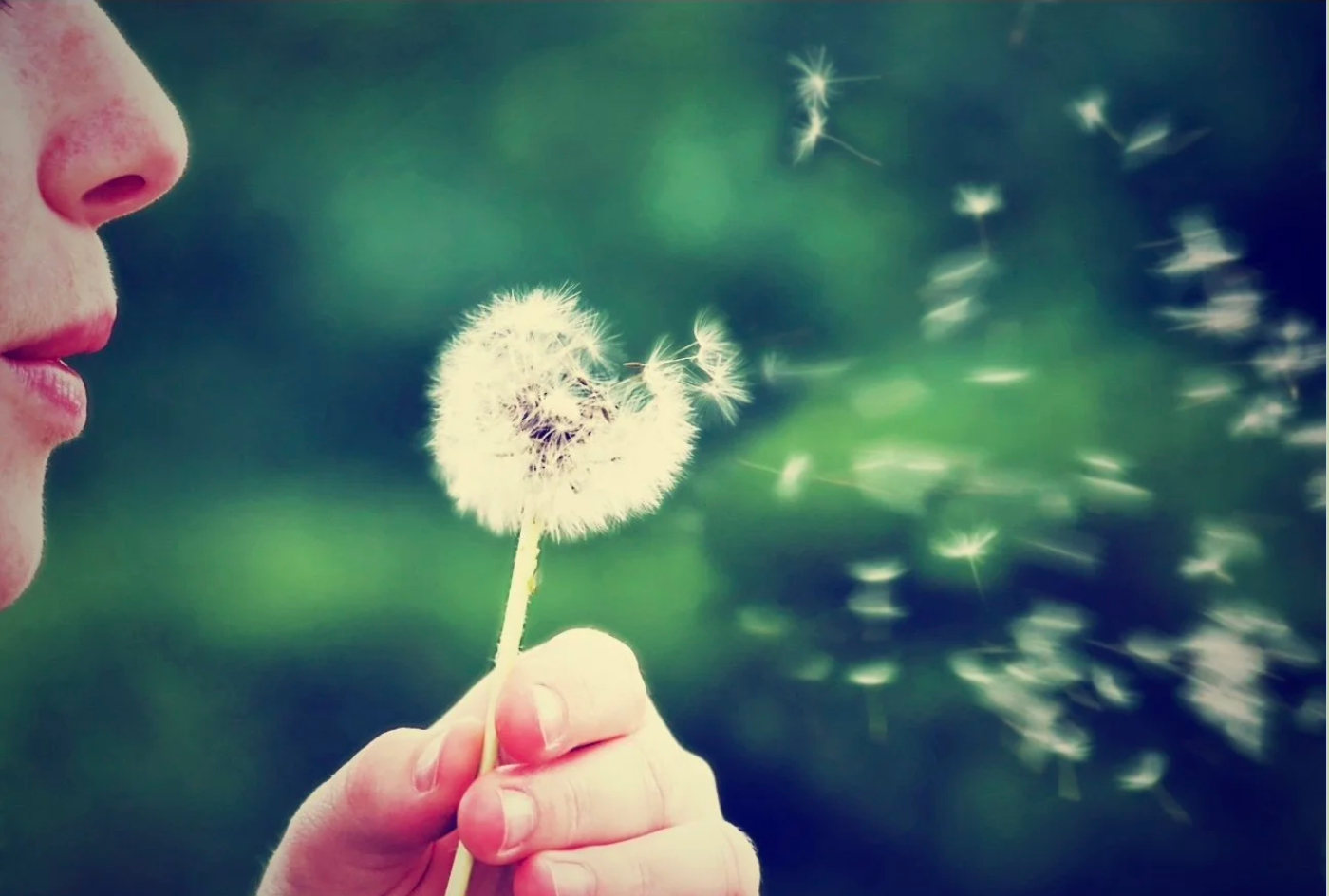
With the many demands on our time and minds, it can take a lot of effort to truly explore ourselves and find out who we really are. The practice of meditation has been widely accepted as the way to do this.
Types of Meditation
There are so many different types of meditation — you can try different ones and see which works best for you. I will share the ones I love most.
Sound Bath Meditation — described as being bathed in sound waves, produced by various instruments such as singing bowls, tuning forks, gongs, and chimes. Typically, a sound bath involves lying in a reclining position after taking part in yoga or meditation exercises. A person trained in sound bath musical techniques will use one or several instruments to create soothing vibrations. Absolute bliss — this is my favourite meditation.
Meditating in Nature — you can meditate anywhere, but my favourite place is nature. There are many benefits to meditating outdoors — it is a place where wisdom and perception come alive. Meditating outside activates our senses, making our practice more alert and wakeful. The beautiful sounds relax you emotionally, and sitting in nature, the raw energy of the environment makes connecting with your meditation practice so much easier.
Visualisation Meditation — a form of meditation that requires you to concentrate on imagery to cultivate a sense of mindfulness.
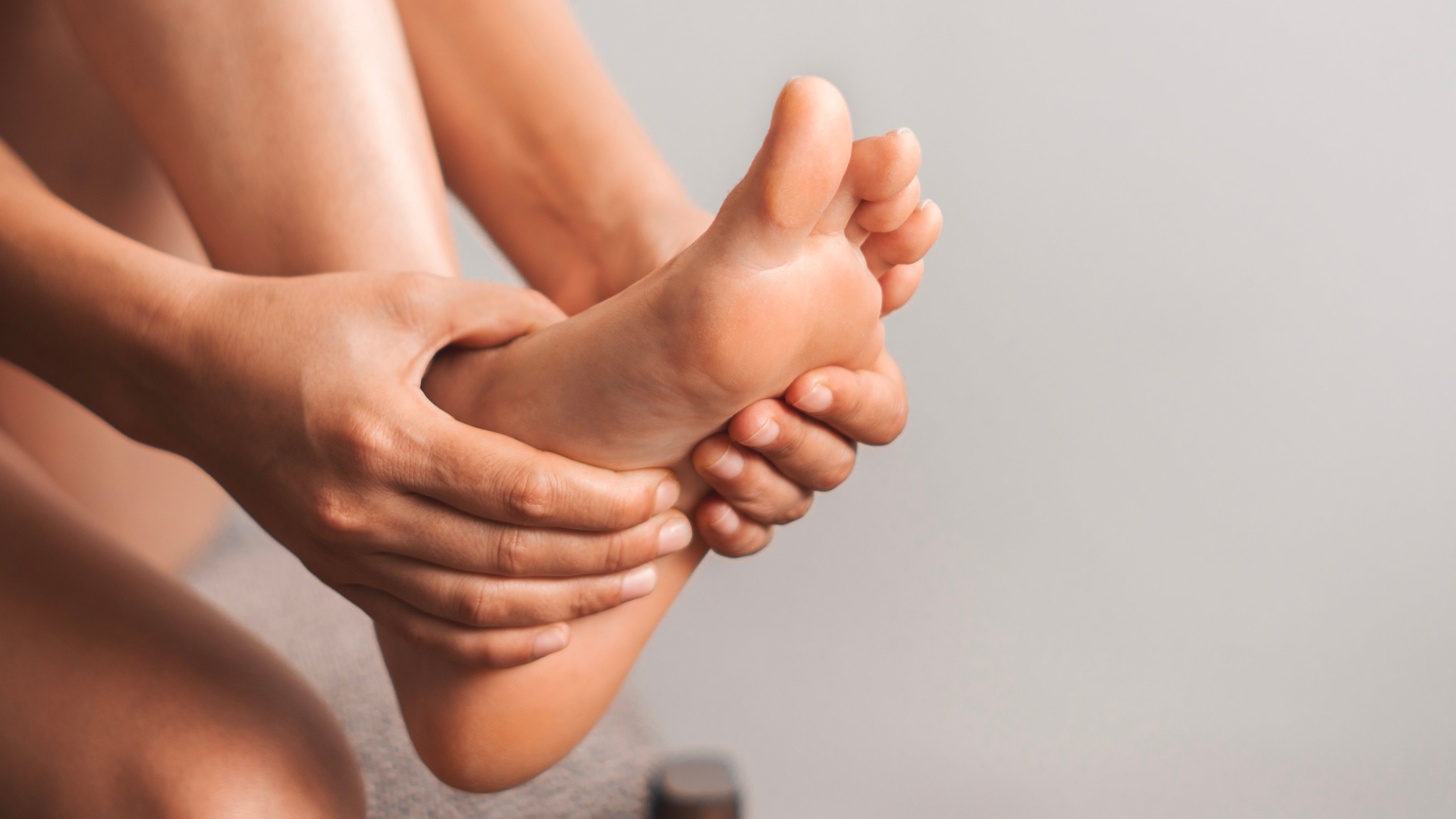
How to visualise: To visualise is to paint a picture in your mind — like when you are reading a book and they describe a beautiful setting, and your mind imagines it. When you visualise, you are imagining a beautiful place you would like to go, a happy place that makes you feel good, or picturing yourself winning first prize.Scanning Meditation — a body scan is one of the most effective ways to begin a mindfulness meditation practice. The purpose is to tune your body, reconnect to your physical self, and notice any sensations you’re feeling. By mentally scanning yourself, you bring awareness to every single part of your body, noticing any aches, pains, tension, or general discomfort. The goal is not to relieve the pain completely, but to know and learn from it so you can better manage it.
Definitions to Help You on Your Meditation Journey
- Counting the breath — count one for an in-breath and two for an out-breath.
- Focusing on physical sensation — focusing on sensation in the body; this can be combined with focusing on the breath, feeling the rise of the rib cage and the feeling in the nostrils.
- Focus on the breath — give all your attention to your breath from inhalation to exhalation. If your mind wanders, simply bring your attention back to your breath.
- Mindful Movement — gently stretch the body with deep attention, connecting the body to the mind.
You may already have a meditation practice that works for you, or you may just be starting out. I hope this information helps you understand it a little more and shows how meditation can bring real value to your life.
Included in this post is an audio of a guided meditation which will relax you and teach you how to scan your body. I hope you enjoy it.
Ready for personalised support?
Book a personalised consultation with Lee to discuss your health goals and find the right next step.